
Helping an aging parent choose a senior apartment in Dallas
By Dallas Apartment Locating Team · Updated 2026-06-26
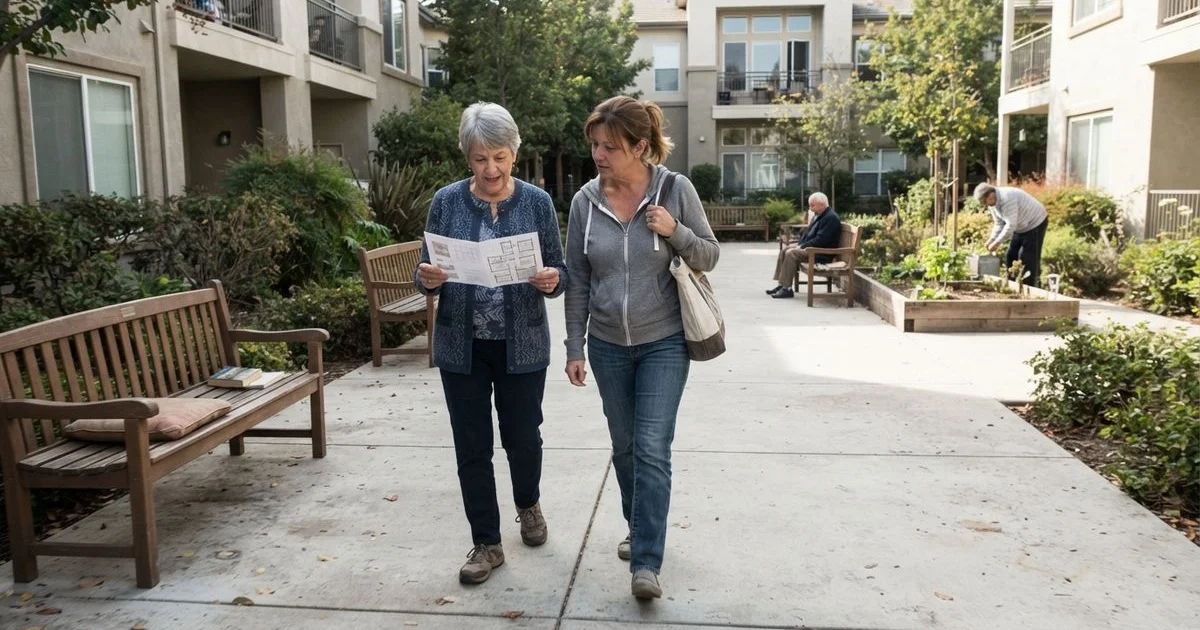
Helping a parent move into a new apartment is rarely just a logistics project. It’s often an emotional one too, tangled up with independence, identity, and a parent’s own feelings about what this move means. If you’re the one helping coordinate it, a little structure around the search makes the process easier for both of you. The dynamic is different if you’re helping a college student find their first place instead, but a lot of the same groundwork applies.
Start with what actually matters to them
Before you start touring senior communities, sit down with your parent and talk through what they actually want, not just what you assume they need. Some prioritize staying close to a specific neighborhood or their current doctor. Others care more about social programming, and a genuinely active community calendar can matter as much as the floor plan. Getting this from them directly, rather than deciding on their behalf, makes the eventual choice feel like theirs, which matters for how well the transition actually goes.
What to look for beyond the brochure
Senior communities tend to advertise similar things: a clubhouse, planned activities, single-level or elevator-accessible units. What separates a genuinely good one is follow-through. Ask specifically about maintenance response times. For an older resident, a slow repair on something like air conditioning or a stuck lock isn’t just an inconvenience, it can be a real safety issue. Ask how staff would respond if a resident needed help in an emergency, and whether that’s a formal policy or just an informal expectation.
| What to ask about | Why it matters more for a senior resident |
|---|---|
| Maintenance response time | A slow repair on AC, heat, or locks is a bigger deal without easy workarounds |
| Emergency response | Staff readiness for a fall or medical event, not just fire alarms |
| Social programming | Real, regular activities versus a calendar that looks good on paper |
| Transportation access | Distance to pharmacies, grocery stores, and medical appointments |
| Move-in support | Whether staff help coordinate move logistics, not just handle paperwork |
Touring together
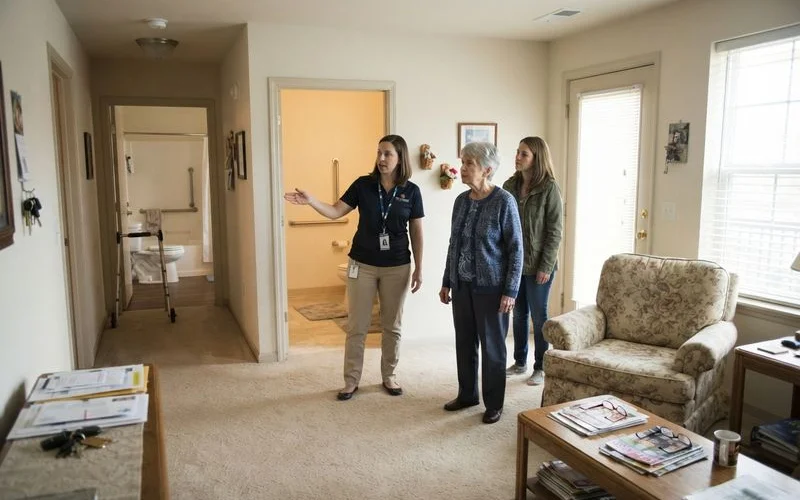
Bring your parent to every tour if at all possible, and let them ask their own questions. It’s tempting to take over, especially if you’re managing a lot of the logistics, but a community they chose themselves is one they’re far more likely to actually settle into. Walk the grounds at a time of day that matters to them, if they’re an early riser, see what mornings look like there.
If they’re not ready to commit
Some Dallas senior communities offer month-to-month or shorter-term respite-style stays, which can be a lower-pressure way for a parent to try a community before signing a standard lease. This can be especially useful if the move is happening because of a recent change, like recovering from a fall or a spouse’s passing, where the right long-term fit isn’t fully clear yet.
Budgeting realistically together
Costs vary a lot across senior communities, from more modest options to higher-end properties with extensive programming and services. Sit down with your parent and go through their actual monthly budget together, including any fixed income sources, rather than assuming a number. If cost is tight, ask specifically about all-bills-paid pricing structures, which some communities offer and which can make monthly budgeting more predictable for someone on a fixed income.
Making the transition itself easier
The move itself is often harder emotionally than the search. Downsizing means letting go of things tied to decades of memory, and that takes time most moving timelines don’t naturally allow. Build in more time than you think you need, and don’t be surprised if the emotional weight of the move surprises both of you.
Browse our directory of Dallas apartment complexes to compare senior communities by amenities and resident feedback, and see our methodology for how we weigh maintenance responsiveness and consistency, two things that matter more than usual when the resident is a parent you’re looking out for.
Questions people ask
- How is a 55+ community different from a standard apartment?
- Senior communities typically limit residency to those 55 and older, and many build in features like single-level living, grab bars, and social programming aimed at that age group. They're independent living, not assisted living or a nursing facility, so residents manage day-to-day life on their own.
- How do I bring up moving with a parent who's resistant to the idea?
- Frame it around what they'd gain rather than what they're giving up: less home maintenance, built-in social activities, and neighbors in a similar life stage. Involve them in touring and choosing rather than presenting it as a decision already made.
- What should I check beyond the amenities during a tour?
- Ask about maintenance response times specifically, since a slow repair matters more for an older resident who can't easily work around a broken AC or a stuck door. Also ask how the property handles medical emergencies and whether staff are trained for basic emergency response.
- Are month-to-month or short-term stays available for seniors who want to try before committing?
- Some Dallas senior communities offer month-to-month or respite-style stays, which can be a lower-commitment way to test whether a community is the right fit before signing a full lease.