
Texas renters' rights in Dallas: deposits, repairs, and habitability
By Dallas Apartment Locating Team · Updated 2026-06-22
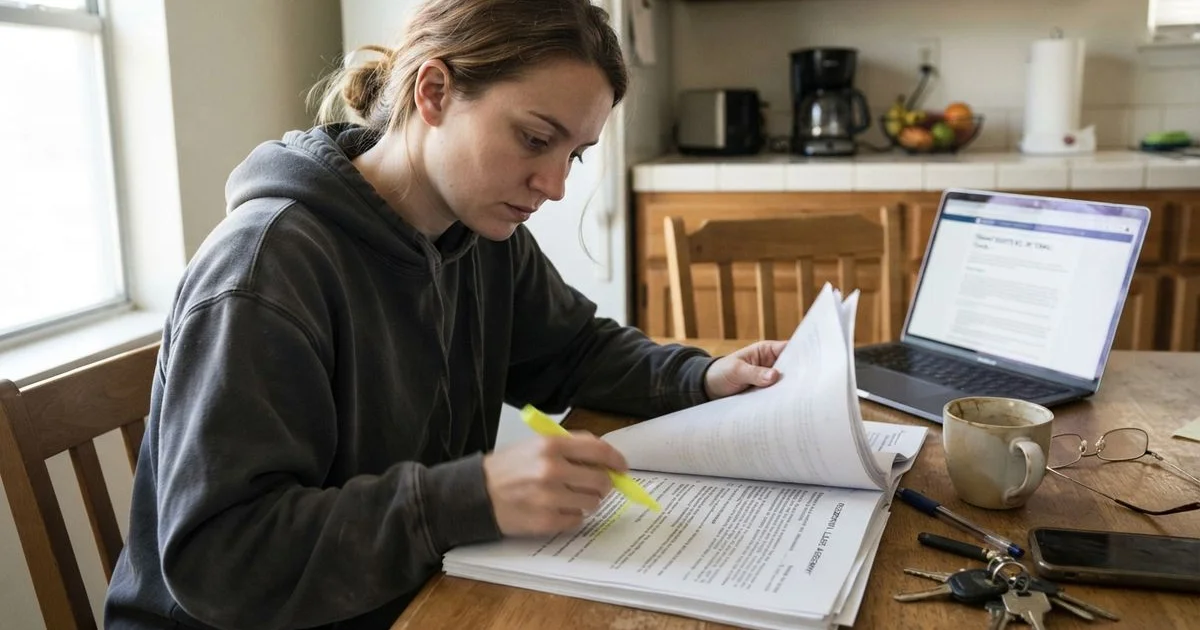
This is general information about how Texas landlord-tenant law typically works, not legal advice. Specific situations vary, and if you’re dealing with a serious dispute, a Texas tenant rights organization or an attorney can give guidance tailored to your lease and circumstances.
Renting in Dallas comes with a set of protections and obligations that exist whether or not your lease spells them out. Most disputes between tenants and property management come down to a handful of recurring issues: deposits, repairs, and what a landlord is actually required to fix. Knowing the basics before a problem comes up puts you in a much stronger position than trying to learn the rules mid-dispute. If you’re weighing an early move-out entirely, our guide on breaking a lease early in Dallas covers the costs and legal exceptions separately.
Security deposits
Under Texas law, a landlord generally has 30 days after you move out to return your deposit or send an itemized list of what was deducted and why. Normal wear and tear, the kind of minor scuffing and fading that happens from ordinary living, isn’t supposed to be deducted from a deposit. Damage beyond normal wear, like a large stain, a broken fixture, or unauthorized paint, generally can be.
To protect yourself, take photos or video at move-in and move-out, keep copies of any written communication about the condition of the unit, and always give your forwarding address in writing when you leave. Without it, the property may not be obligated to send your deposit or itemization on time.
Repairs and habitability
Landlords in Texas are generally required to keep a rental in a condition that meets basic habitability standards: functioning plumbing, working heat in cold weather, and no conditions that pose a genuine health or safety risk. A slow leak or a broken cabinet handle is a legitimate repair request, but it’s a different category from something like no air conditioning during a Dallas summer or a structural hazard, which rises to a more serious habitability issue.
| Issue type | Example | Typical urgency |
|---|---|---|
| Habitability | No AC in extreme heat, no working plumbing | High, formal notice process available |
| Standard repair | Broken appliance, leaky faucet | Moderate, reasonable time to fix |
| Cosmetic | Scuffed paint, worn carpet | Low, not typically a legal obligation |
If a landlord doesn’t respond to a documented repair request, Texas has a formal notice process that can escalate the issue, including remedies in serious cases. The details depend on your specific situation, which is where getting guidance from a tenant rights resource or attorney becomes useful rather than relying on general information alone.
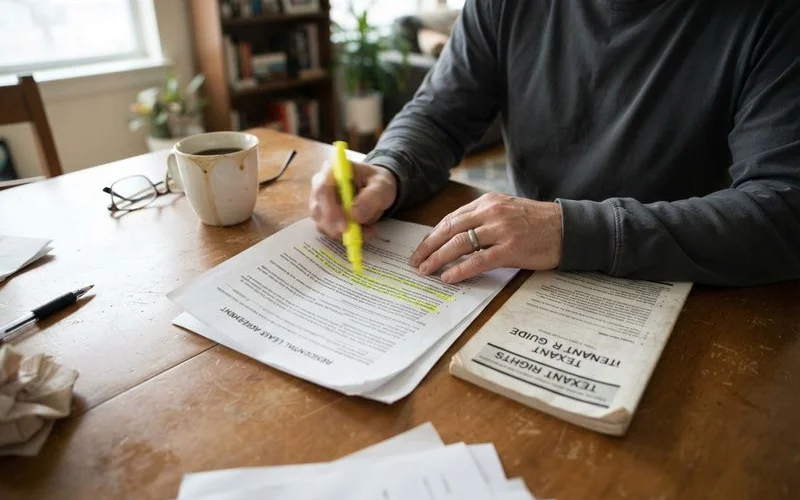
Documentation is your best protection
Nearly every tenant-landlord dispute comes down to who has records. Put repair requests in writing, even if you also call or use an online portal, and keep copies. Photograph the unit at move-in and move-out. Save emails, texts, or maintenance portal screenshots showing when you reported an issue and when, or if, it was addressed. This kind of documentation is what actually protects you if a dispute escalates.
Retaliation protections
Texas law generally prohibits a landlord from retaliating against a tenant for exercising a legal right, like requesting a repair in writing or reporting a code violation. Retaliation can take the form of a sudden lease non-renewal, a rent increase timed suspiciously close to a complaint, or reduced services. If you suspect retaliation after raising a legitimate issue, keep a clear timeline of what you reported and when, since timing is often the key evidence in these situations.
Where these issues show up most often
Recurring resident complaints across Dallas properties tend to center on slow communication from management and inconsistent follow-through on repair requests, more than outright refusal to fix anything. Most issues get resolved with persistence and a documented paper trail rather than a legal proceeding. Knowing your rights upfront just means you’re not negotiating from a position of uncertainty if something does go wrong.
Our directory of Dallas apartment complexes includes resident feedback that often surfaces how a property actually handles repairs and communication, which is worth checking before you sign. See our methodology for how that feedback factors into our rankings.
Questions people ask
- How long does a landlord have to return my security deposit in Texas?
- Texas law generally requires landlords to return a deposit, or an itemized list of deductions, within 30 days of move-out. If you don't provide a forwarding address, that clock may not start, so give your new address in writing when you vacate.
- What counts as a habitability issue?
- Conditions that materially affect health or safety: no working air conditioning during extreme heat, plumbing that doesn't function, structural hazards, or persistent pest infestations that go unaddressed. Cosmetic issues generally don't rise to this level.
- What should I do if my landlord won't make a repair?
- Put the request in writing, keep a copy, and follow up if there's no response within a reasonable time. Texas has a formal notice process for serious repair issues before you can pursue further remedies, so documentation matters from the start.
- Can my landlord enter my apartment without notice?
- Texas law doesn't set a statewide blanket notice requirement for routine entry the way some states do, but most leases specify entry terms, and landlords generally provide reasonable notice except in emergencies. Check your specific lease for the exact language.