
Pest problems in Dallas apartments: what to expect and what a complex should do
By Dallas Apartment Locating Team · Updated 2026-07-03
This is general information about pest issues in rental housing, not medical or pest-control advice. If you’re dealing with a health concern related to an infestation, or need professional pest treatment guidance, consult a licensed pest control provider or a medical professional as appropriate.
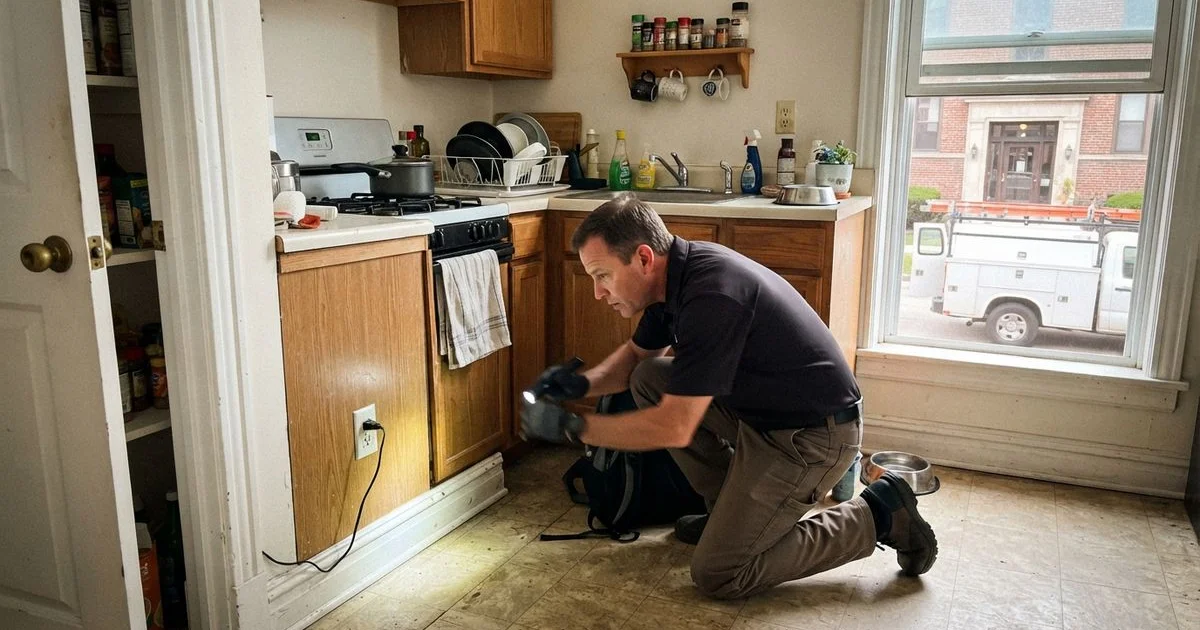
Pest complaints, roaches especially, show up consistently across Dallas apartment reviews. It’s not a sign that every property has a problem, but it is common enough that it’s worth understanding before you sign a lease, and worth knowing how to handle if it happens after you move in. It’s one more thing worth checking alongside the broader items in our Dallas apartment safety checklist.
Why this comes up so often in Texas
Dallas’s warm, humid climate is genuinely hospitable to roaches and similar pests, more so than drier or colder regions. In multifamily buildings, shared walls and plumbing lines mean an infestation in one unit can spread to neighbors even if your own unit is kept spotless. This is a structural reality of apartment living in the region, not necessarily a reflection of how well a specific property is managed, though how a property responds absolutely is.
What a property is generally responsible for
Ongoing pest control for common, building-wide causes typically falls on the landlord or management company, often including regular preventive treatment as part of your lease. Issues clearly caused by a specific tenant’s own conditions, like food regularly left out, can shift some of that responsibility. Check your lease’s specific pest control language, since terms vary by property.
| Situation | Who’s typically responsible |
|---|---|
| Building-wide infestation | Landlord or management company |
| Pest issue from tenant conditions | May shift some responsibility to the tenant |
| Preventive treatment | Often included in lease as a landlord obligation |
| Persistent, unaddressed infestation | Can rise to a habitability issue |
What a responsive property actually does
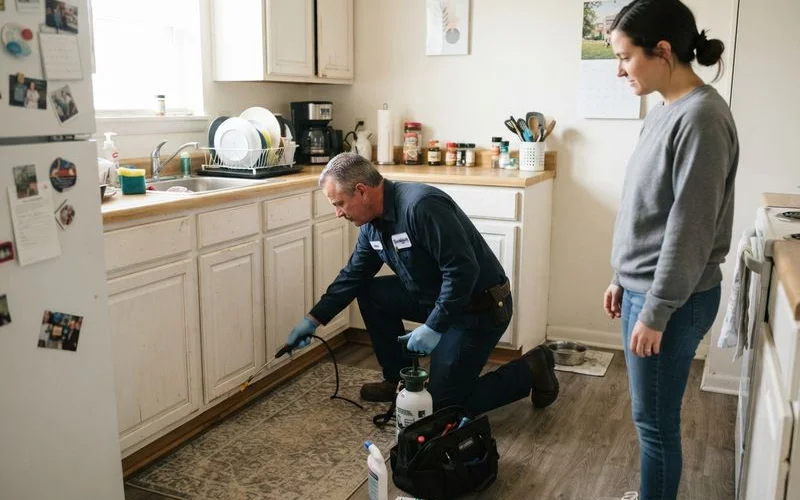
There’s no single legal deadline for pest response, but a well-run property typically schedules treatment within a few days of a report and follows up if the first treatment doesn’t resolve it. What separates a manageable, normal pest issue from a real problem isn’t whether it happens, pests happen even at well-maintained properties, it’s how quickly and consistently the property responds.
If you’re dealing with an ongoing issue
Document everything: the date you first reported it, every follow-up, and photos if it’s visible. Put requests in writing even if you also call, since a paper trail matters if the issue drags on. If a property repeatedly fails to address a documented, serious infestation, that can rise to a habitability issue with more formal remedies available under Texas law, which is worth discussing with a tenant rights resource if it reaches that point.
What you can do on your own end
Even at a well-managed property, a few habits reduce your odds of an issue: seal food properly, take trash out regularly rather than letting it sit, and report any sighting immediately rather than waiting to see if it happens again. Early reporting matters because a small, isolated issue is far easier and faster for a property to treat than one that’s had weeks to spread through shared walls or plumbing.
What to ask before you sign
It’s a fair question to ask a leasing office directly: how often do they treat for pests, and what’s their process if a resident reports an issue. A property with a clear, confident answer is a better sign than one that seems caught off guard by the question. Reading recent resident feedback can also tell you whether pest issues are a rare, quickly resolved event or a recurring pattern at a specific property.
Our directory of Dallas apartment complexes surfaces aggregated resident feedback, including how properties handle maintenance and pest issues over time, and our methodology explains how that consistency factors into our rankings.
Questions people ask
- Why do roaches show up so often in Dallas apartment reviews?
- Texas's warm, humid climate is genuinely favorable to roaches and other pests, and shared walls in multifamily buildings make it easier for an infestation in one unit to spread to neighbors. It's a common enough issue that it's worth asking about directly rather than assuming it won't happen.
- Is pest control the tenant's responsibility or the landlord's?
- In most cases, ongoing pest control for common causes, like a building-wide infestation, falls on the landlord or management company. Tenant-caused issues, like food left out, can shift some responsibility. Check your specific lease for pest control terms.
- How fast should a property respond to a pest complaint?
- There's no single legal deadline, but a responsive property typically schedules treatment within a few days of a report. Repeated unaddressed reports over weeks or months is a red flag worth escalating in writing.
- What should I do if a pest issue isn't getting resolved?
- Document everything in writing: dates you reported it, photos, and any response you received. If the property doesn't act on a documented, serious infestation, that can become a habitability issue with more formal remedies available.